
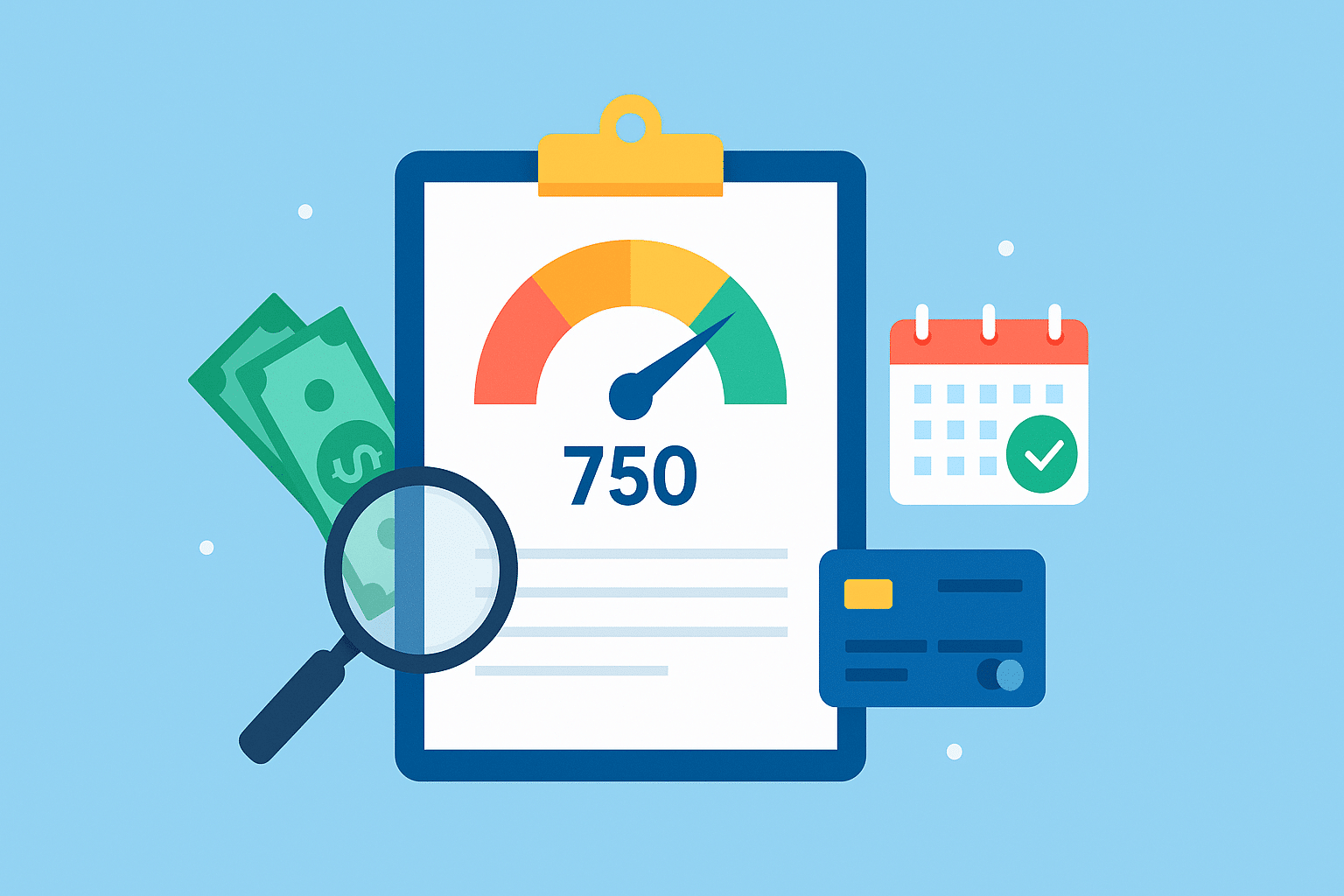
If there’s one thing every financial expert strongly recommends, it is maintaining a high credit score. A good CIBIL score not only helps you get loans easily but also gives you access to lower interest rates, higher loan amounts, and better repayment terms.
But what if your credit score is low? The good news — it can be improved, and often faster than you think.
If there’s one financial habit that everyone should follow, it is keeping a good credit score. A strong CIBIL score makes your life much easier — you can get loans faster, enjoy lower interest rates, and even negotiate better offers from banks. Whether you want a personal loan, home loan, car loan, or even a new credit card, lenders first check how well you’ve handled credit in the past.
Your score is built from your repayment history, credit card usage, and how responsibly you’ve managed your loans. If your score is low, lenders may see you as a risky borrower and hesitate to approve your application. But the good part is that improving your credit score is completely possible with a few smart steps.
What Is a Good CIBIL Score?
TransUnion CIBIL, India’s most widely used credit bureau, assigns credit scores between 300 and 900. Higher the score → better your creditworthiness.
| 300–549 | Poor credit health, repayment irregularities, and high risk |
|---|---|
| 550–649 | Needs improvement; repayments are inconsistent |
| 650–749 | Good score; eligible for credit, but rates may be higher |
| 750–900 | Excellent score; best chances of approval at lowest interest rates |
CIBIL Score Range and What It Means
| Credit Score Range | Creditworthiness Indicator |
|---|---|
| 300–549 | Weak score, payment delays/failures, high risk of default |
| 550–649 | Fair score, late payments, multiple inquiries |
| 650–749 | Good score, strong repayment behaviour, eligible for most loans |
| 750–900 | Excellent score, no missed payments, best loan terms |
Why a High CIBIL Score Matters
A strong credit score offers multiple advantages, including:
- Faster loan approvals
- Lower interest rates
- Higher loan limits
- Better negotiating power
- Quick approval for credit cards and BNPL apps
- Easier approval for home/car loans
A good score is your financial reputation — protect it like an asset.
How to Improve Your CIBIL Score Quickly in 2025
1. Check Your Credit Report Regularly
Incorrect information and old defaults often harm your score.
Visit: cibil.com to download your credit report.
Check for errors such as:
- Wrong loan details
- Payments marked as late
- Duplicate loans
- Fraud accounts
Raise a dispute — CIBIL resolves issues within 30 days.
2. Maintain Your Credit Utilisation Ratio Below 30%
Credit utilisation = how much credit you use vs how much you’re allowed.
- Distribute expenses across 2–3 cards
- Increase card limit but avoid overspending
- Avoid cash withdrawals
3. Don’t Apply for Loans Repeatedly After Rejection
Every fresh loan enquiry lowers your score. Wait 3–6 months before applying again.
4. Avoid Applying for Multiple Loans/Credit Cards Frequently
Frequent enquiries signal credit hunger — reduces score.
5. Always Pay EMIs and Credit Card Bills on Time
- Pay the full amount
- Avoid late fees
- Use auto-pay or reminders
6. Borrow Only What You Need
- Keep loan count low
- Avoid maxing out credit cards
- Close unnecessary loan accounts
7. Set Payment Reminders
- Mobile reminders
- UPI autopay
- Calendar alerts
8. Maintain a Healthy Mix of Credit Types
Lenders prefer borrowers who manage both:
- Secured loans (home/car)
- Unsecured loans (credit cards/personal loans)
9. Do Not Close Old Credit Accounts
Older accounts → longer credit history → better score.
10. Keep Track of All Active Loans Linked to Your PAN
Fraudulent loans can harm your score.
- Check credit reports regularly
- Enable SMS/email alerts
- Monitor suspicious enquiries
Extra Tips for Faster CIBIL Score Improvement (2025)
- Use BNPL responsibly
- Pay EMIs 3–4 days early
- Avoid co-signing loans
- Keep bank KYC updated
- Maintain steady income
How Long Does It Take to Improve Credit Score?
- 30–60 days for small improvements
- 3–6 months for major changes
- Up to 1 year to fix defaults
Frequently Asked Questions (FAQs)
You can check it for free once a year on cibil.com.
No. Soft checks do not affect credit score.
2–3 credit cards are enough for most people.
Yes, if repaid on time. But closing credit cards may reduce your score.
Yes. “Settled” status negatively impacts your score for years.
Final Thoughts
Improving your CIBIL score is about consistent financial discipline. Follow these steps regularly and your score will rise within months, helping you secure loans at better rates and terms.